
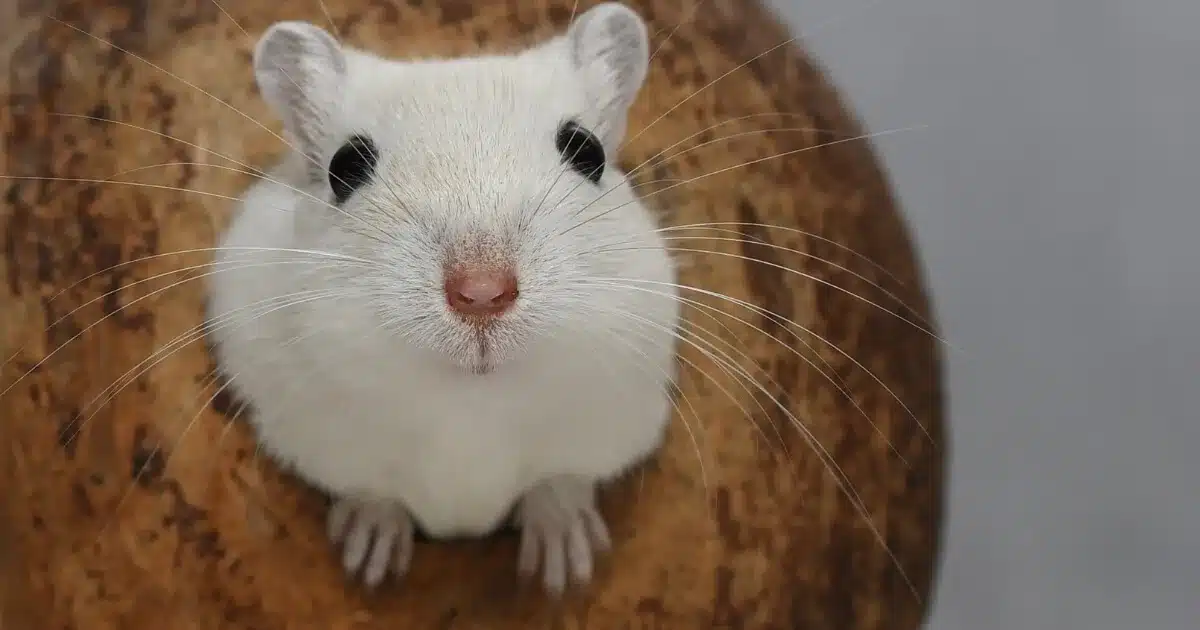
Gerbils are known for their social nature and love for companionship. In the wild, they live in large groups and rely on each other for survival. However, as pets, the question often arises: can gerbils live alone?
Many pet owners wonder if it is possible for a gerbil to thrive without a companion, and if so, what are the pros and cons of solitary gerbil care?
This question typically arises when adopting gerbils, as well as when one gerbil in a pair passes away. It’s also common for new gerbil owners to adopt just a single gerbil.
Is it OK to leave the gerbil on their own, or should you find them a companion? In this article, we’ll explore the ins and outs of keeping gerbils alone and provide guidance for those considering this option.
Gerbils Are Social Animals
It’s always ideal to keep gerbils in pairs. That’s because gerbils are social animals by nature. They thrive in the company of others and rely on each other for various aspects of their well-being.
In the wild, gerbils live in large groups of about 17 gerbils (Ågren et al., 1989), which allows them to feel safe and secure. Gerbil groups in the wild are typically made up of a monogamous mating couple and their offspring.
As pets, gerbils still possess this strong need for companionship. Keeping a gerbil alone can lead to feelings of loneliness and boredom, which can negatively impact their overall health and happiness.
Keeping gerbils in same-sex pairs
When it comes to gerbil social structure in captivity, pairs tend to work the best. Having a companion allows gerbils to engage in constant social interaction, grooming each other, playing together, and sharing a nest for sleep. This level of companionship is essential for their mental and emotional well-being.
At the same time, the bond between a pair of gerbils is much more stable than the tumultuous social hierarchy amongst three or more gerbils.
As mentioned, wild gerbil clans are made up of a monogamous couple and their offspring. In captivity, we don’t keep opposite-sex couples together, so a same-sex pairing is the next best choice.
With a gerbil pair, you’ll witness their bond grow stronger over time, creating a joyful and contented environment for both gerbils. Declanning can still occur, but it’s usually easier to prevent and remedy once it starts.
If you’re considering bringing a gerbil into your home, adopt a pair rather than a single gerbil. It’s a decision that will ensure a happier, healthier life for these social creatures.
Keeping gerbils in opposite-sex pairs
Gerbils can also be kept in opposite-sex pairs, which more closely replicates their natural tendencies. However, the male gerbil needs to be neutered, which can be difficult to accomplish.
Not many veterinarians, even those who specialize in exotic pets, offer neutering for gerbils. They will usually recommend that you keep gerbils in same-sex pairs, instead. Neutering also carries a risk of death for the gerbil, which is something many gerbil owners will find outweighs the potential benefits of opposite-sex cohabitation.
Keeping gerbils in small groups
While gerbil pairs are the ideal cohabitation situation for social interaction, same-sex groups of three or four gerbils can sometimes work as well. This option requires careful consideration and planning to ensure the gerbils’ well-being.
Bonded pairs are more stable than groups of three or four. Within a group of gerbils, fights for dominance and declanning are more likely to break out.
Trios or groups of four gerbils work better when one of the gerbils is a parent and the others are its pups.
What to Do with a Solitary Gerbil
If you find yourself with a lone gerbil, there are several things you can do to help them live a happy and fulfilling life, whether you’re waiting to find them the perfect companion or opting to let them live alone for the time being.
Watch for signs of loneliness and boredom
It’s essential to keep an eye out for signs of loneliness and boredom in your lone gerbil. If a gerbil is suffering from loneliness, it can have a negative impact on their overall well-being.
Look out for these signs of loneliness or boredom:
- Excessive sleeping
- Decreased appetite
- Increased aggression
- Lack of burrowing and chewing behavior
These are all signs that your gerbil may be feeling lonely and in need of more attention or a companion.
Give them extra attention and activities
To combat the effects of loneliness and boredom, make sure to spend extra time interacting with your gerbil, offering them treats, and providing plenty of toys and enrichment.
Ensure that they have a large enough wheel and plenty of bedding for burrowing. Give them the opportunity to free roam for about 30 minutes each day to provide added mental stimulation.
It’s possible to have a happy and healthy lone gerbil as long as you become their companion and playmate.
Learn more: How Long Do Gerbils Live? Gerbil Lifespan as Pets and in the Wild
Should You Introduce a New Gerbil?
If you have a lone gerbil and are considering introducing a new gerbil as a companion, there are a few things to consider.
Your gerbil’s age and personality
If you’re deciding whether to keep your gerbil solitary or introduce them to a new companion, consider your gerbil’s age as well as their personality and temperament.
Age: Older gerbils have a harder time bonding with a new companion, which means you might ultimately end up with two solitary gerbils after a failed introduction.
Personality: If your gerbil was more dominant in their previous pairing, they’ll have a harder time bonding with a new companion, especially if that companion is also more dominant
Your gerbil’s current state of wellbeing
Every gerbil is unique, so there’s no definitive answer to whether a lone life or a new companion is the better choice when one of your gerbils passes away. The best way to form your answer to this question is to observe your gerbil’s behavior.
If your gerbil is acting how they normally would and are staying active, they might feel happy being on their own. If they are showing signs of boredom or loneliness, trying to introduce a new companion is for the best.
Whether you want to keep owning gerbils
Adopting a new companion for your gerbil likely means you’ll continue the cycle of adopting a new gerbil each time one passes away. If you enjoy owning gerbils, this probably isn’t a problem. If you no longer want to own gerbils, however, you have options.
One option is to keep your gerbil solitary, as long as they are happy and healthy in that situation. If they are not doing well on their own and you don’t want to adopt another gerbil, consider reaching out to a local small pet rescue. They may have another lone gerbil who needs a companion and an adopter looking for a pair.
While saying goodbye to your gerbil can be extremely difficult, it’s the right decision if it’s in your gerbil’s best interest.
Learn more: How Much Do Gerbils Cost? Price of Adoption and Care
How to Introduce a New Gerbil
Most of the time, introducing (or at least attempting to introduce) a new companion to your gerbil is the best choice for your pet. This must be done carefully and with great consideration for both gerbils’ wellbeing.
Choose the right partner
First and foremost, you should consider your gerbil’s personality in order to choose the right kind of companion for them. If you previously had another gerbil, you should also consider what role they played in the pairing.
This will help you choose a gerbil who fills the same place in the hierarchy that your previous gerbil filled.
If your current gerbil was more dominant in the pair, for example, you’ll want to choose a more submissive gerbil as their companion. This usually means choosing a younger gerbil.
Adopt from a rescue
Adopting from a rescue has many benefits, and not only from an animal welfare perspective (although that’s a crucial consideration, too). Here are some reasons to choose a rescue over a pet store or breeder:
- Trial pairing. Most rescues understand that not every pair is meant to be. Many rescues will allow you to “foster-to-adopt” a gerbil, which means you can try out the pairing before committing to the adoption. If the gerbils cannot get along, the rescue might have another gerbil for you to try.
- Better intel. Adopting from a rescue also gives you the benefit of having more information about the new gerbil. They can tell you whether they’re timid or outgoing, social or reclusive. This can help with choosing a good companion for your gerbil.
- Help along the way. Volunteers who work with small animal rescues are a wealth of knowledge about small pets. They can help you through the process of introducing your new gerbil to your older gerbil.
Introduce gerbils slowly
Introducing gerbils to each other should be done gradually and with care to ensure a smooth and peaceful transition. This process can help minimize the risk of aggression and territorial disputes among the gerbils.
To begin, place the gerbils in separate cages side by side for a few days. This allows them to become familiar with each other’s scent and presence without direct contact. After a few days, you can start swapping bedding between the cages, further familiarizing the gerbils with each other’s scent.
Next, you can introduce the gerbils using the split-cage method. This involves dividing a cage into two sides using wire mesh and placing one gerbil on each side. Each day, swap each gerbil to the other side so that they continue to get used to each other’s scents.
Gradually, your gerbils should begin growing more comfortable with each other and eventually sleeping next to each other on either side of the divider. At this point, remove the divider and monitor your gerbils carefully.
Dominance behavior like mounting and shoving is normal, but full-on fighting is a sign that it’s time to separate the gerbils and go back to the split cage. It’s better to go slower rather than too fast to avoid risking an irreparable rift between the gerbils.
Can Gerbils Live Alone: FAQs
The social needs of gerbils can be complicated, so it’s understandable if you still have some questions. Here are the most frequently asked questions about whether or not gerbils should live alone.
What should I do if my lone gerbil seems depressed or uninterested in social interaction?
Not all gerbils enjoy direct interaction with humans. If you’ve been trying to interact with your gerbil by reaching out to them or giving them food, try taking a more removed approach. Sitting next to the cage and talking to your gerbil is a good way to keep them company without overwhelming them.
How often should I clean my solitary gerbil’s cage compared to a cage housing multiple gerbils?
A lone gerbil will make less of a mess than two gerbils, of course. If you cleaned the tank once every two weeks with two gerbils, try cleaning it every four weeks with a single gerbil. You should still spot-clean every day and avoid replacing all of the bedding at once during full cleans.
Can different species of gerbils live together or should they always be kept with their own kind?
There are two types of gerbils kept as pets: fat-tailed gerbils and Mongolian gerbils. The vast majority of pet gerbils are Mongolian gerbils, although they might have different colorings.
Gerbils should always be kept only with others within their species. Trying to house a fat-tailed gerbil with a Mongolian gerbil would only lead to fighting over territory and resources which would likely turn deadly.
What is the ideal cage size and setup for a single gerbil versus a pair or group of gerbils?
A single gerbil should still have the recommended minimum floor space as a pair: 620 square inches. This allows for all of the bedding and enrichment items that a gerbil needs. Your single gerbil can have more enrichment items to keep them entertained.
Add in more cardboard boxes, different textures, and hides. Because there’s no risk of declanning, your lone gerbil can have a more complex and enriching habitat to keep them busy.
Is it possible for an older gerbil to adapt to living alone after losing their cage mate?
Yes, it is possible for an older gerbil to adapt to living alone after losing their companion. Some older gerbils refuse to bond with a new companion, in which case keeping them solitary, rather than submitting them to repeated failed introductions, would be the preferable route.
Can gerbils ever become aggressive towards each other when living in pairs or groups?
Yes, aggression can arise within pairs or groups of gerbils. Often this comes in the form of declanning, which is where one gerbil is kicked out of the clan. Gerbils can also show dominance behaviors, which are a way of maintaining the social hierarchy and aren’t usually considered dangerous or aggressive.
How can I tell if my gerbil is lonely or bored?
A bored or lonely gerbil will sleep more, show little interest in things they used to enjoy, like burrowing and running, and may show nervous repetitive behaviors.
Are there any health risks associated with keeping a gerbil alone?
In addition to possible depression, lone gerbils can suffer from a lack of grooming and a lack of shared body heat.
Make sure that you provide your gerbil with a sand bath so they can bathe themselves, and give their coat a regular inspection. You can also attach a reptile heating pad to their tank in the area where they like to burrow to provide some extra heat.
Learn more: Gerbil vs. Hamster: Which Pet is Right for You?
Addressing Your Gerbil’s Social Needs
If you have a lone gerbil after one of your pair has passed away, you might feel like getting them a new companion is replacing the gerbil who passed away.
However, what’s important now is your remaining gerbil’s health and welfare. They won’t feel guilt about replacing their companion, and neither should you. Instead, a new friend can help them continue living a social, thriving life.
Ultimately, the decision to keep your gerbil solitary or adopt a companion for them is yours to make. But in most cases, getting another gerbil is the best way to ensure that your gerbil has its social needs met.
Sources:
- “Keeping gerbils together.” RSPCA. https://www.rspca.org.uk/adviceandwelfare/pets/rodents/gerbils/company
- G. A˚gren, Q. Zhou, W. Zhong, “Ecology and social behaviour of Mongolian gerbils,” Meriones unguiculatus, at Xilinhot, Inner Mongolia, China, Animal Behaviour, Volume 37, Part 1, 1989, Pages 11-27, ISSN 0003-3472, https://doi.org/10.1016/0003-3472(89)90002-X.
- Andrey V Tchabovsky, Ludmila E Savinetskaya, Natalia L Ovchinnikova, Alexandra Safonova, Olga N Ilchenko, Svetlana R Sapozhnikova, Nina A Vasilieva. “Sociability and pair-bonding in gerbils: a comparative experimental study.” Current Zoology, Volume 65, Issue 4, August 2019, Pages 363–373, https://doi.org/10.1093/cz/zoy078


0 Comments