
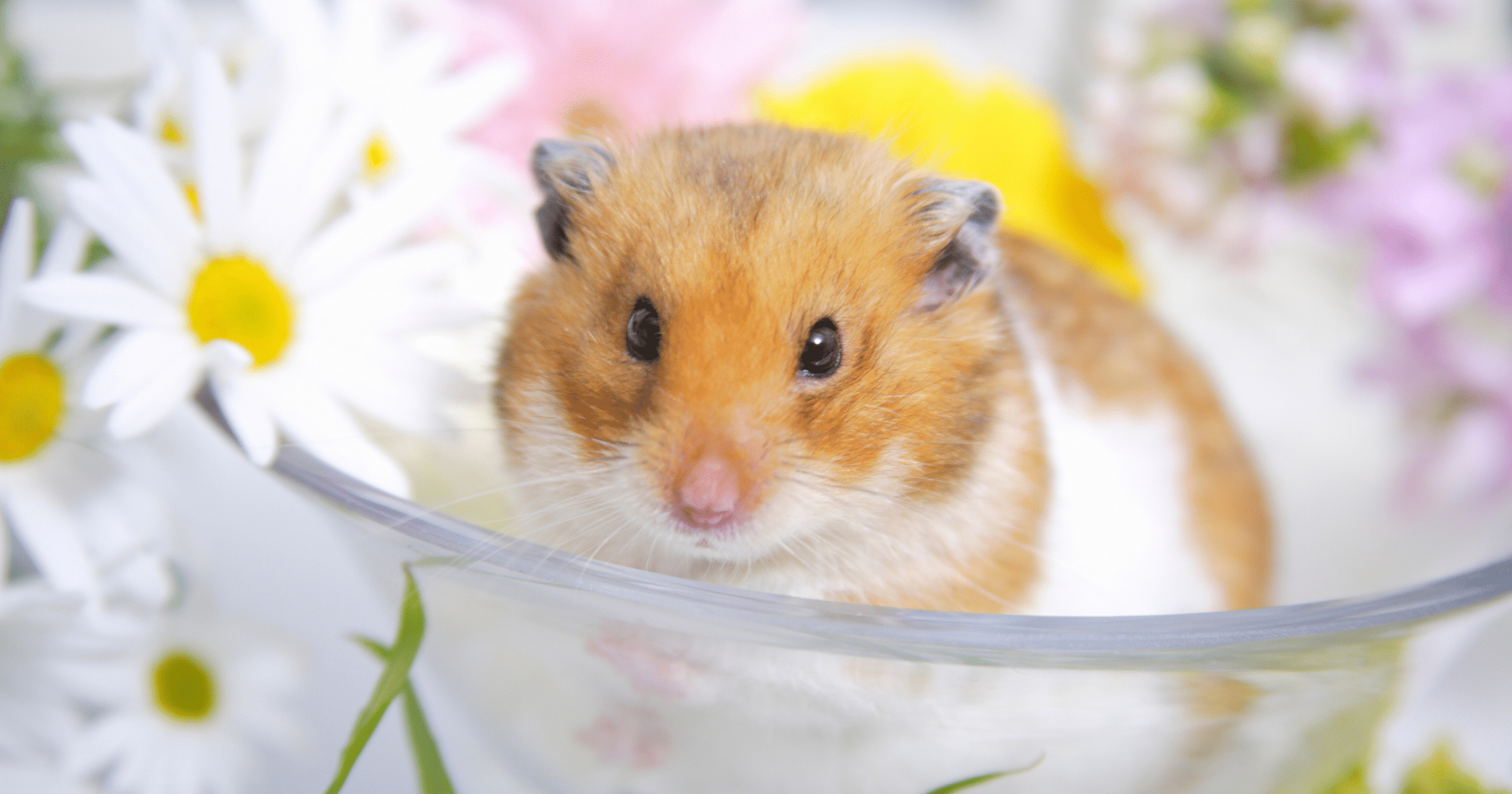
Is your hamster, mouse, or gerbil acting a little funny as the seasons change? Don’t panic — this usually isn’t a cause for concern. In fact, behavioral changes are quite common in hamsters, mice, and gerbils during this time of year.
In this article, we’ll discuss what to look for in your pet during the spring months and what you can do to make this seasonal transition more comfortable for your pet.
Understanding the Basics of Springtime Behavior in Small Pets
Many changes take place in the natural world during spring. Wild grasses and fruit-producing plants spring to life, which means the diets of herbivores and omnivores can become more varied.
With the more plentiful season, many animals, including rodents, also take the opportunity to breed and raise their young.
Just because your pet hamster, mouse, or gerbil lives indoors and doesn’t really need to forage for food (although they should be foraging daily!), that doesn’t mean the seasons don’t affect them. At least for hamsters, research shows that these seasonal changes are actually in their genes!
What triggers these changes in behavior is the changing length of the day. According to the University of Chicago Medicine, “shifting day length alone was enough to trigger these changes, regardless of temperature or how much food is available.”
Common Behavioral Changes to Watch For

If you notice any of these behavioral changes in your hamster, mouse, or gerbil in spring, it’s likely a natural result of the changing seasons:
- Increased activity levels: You might find your pet exploring and burrowing more vigorously, running on their wheel with extra enthusiasm, or showing a general increase in movement. This surge in energy is a natural response to the environmental changes that happen in the spring.
- Changes in eating habits: With increased activity, your pet’s appetite may increase as well. You might notice your pet stashing away more foraged food or just eating more.
- Increased nesting behaviors: The urge to build or rearrange their nests can become more pronounced in the spring. This is driven by the instinct to create a comfortable and secure environment for any potential offspring.
- Changes in social dynamics: If you have multiple gerbils or mice (you should never have more than one hamster living together), you might notice a change in their interactions. While some may become more playful, others could display signs of aggression or dominance, particularly in these species that are sensitive to hierarchy.
“…shifting day length alone was enough to trigger these changes, regardless of temperature or how much food is available.”
University of Chicago Medicine, 2019
How to Support Your Pet Through These Changes
What can you do in the spring to help your pet adjust to the new season? Here are some tips:
- Monitor food consumption: It’s vital to monitor your pet’s eating habits to ensure they’re not overeating or selecting only their favorite bits from a mix, which can lead to potential nutritional imbalances.
- Provide a proper diet: One key way to avoid selective eating is by providing a high-quality lab block or pelleted food. Also make sure that there is scattered forage mix in your pet’s cage at all times. Foraging is an essential enrichment activity as well, as part of a balanced diet.
- Review the size of your enclosure: Having an adequate-sized enclosure is essential to ensure your pet has enough room to run and explore in the spring.
- Provide nesting, chewing, and running enrichment: Make sure your pet or pets have a large, high-quality wheel, toys to chew on, and plenty of soft materials for creating cozy nests.
- Monitor social interactions: Watch for signs of increased aggression during this time. Gerbils, especially, can be more prone to aggressive interactions. You may need to make changes to their enclosure to prevent declanning.
When to Be Concerned
While most behavioral changes are normal, some changes in behavior might require your attention or intervention. Excessive aggression, significant changes in eating habits (either increased or decreased appetite), or signs of stress (such as constant hiding or pacing) might indicate that your pet is not coping well with the change in season or that there may be underlying health issues.
According to veterinarians, another sign of illness or a decline in the well-being of a hamster is poor coat condition or a change in their posture.
Persistent scratching, signs of injury, or unusual lethargy, especially in an otherwise active season, warrant a consultation with a veterinarian to rule out any health concerns.
Navigating Spring Behavioral Changes in Hamsters, Mice, and Gerbils
Spring is a time of renewal and fresh energy, a theme that resonates strongly with our small pet companions! By understanding and anticipating the behavioral changes that come with the season, you can ensure that your hamsters, mice, and gerbils remain healthy, happy, and active. Remember, patience and observation are key during this lively season.
References
- Bao, R., Onishi, K., Tolla, E., Ebling, F., Lewis, Richard, J., Anderson, L., Barrett, P., Prendergast, B., and Stevenson, T. (2019, June 12). Genome sequencing and transcriptome analyses of the Siberian hamster hypothalamus identify mechanisms for seasonal energy balance. Proceedings of the National Academy of Sciences of the United States of America. Retrieved from https://www.pnas.org/doi/10.1073/pnas.1902896116
- Wood, M. (2019, June 6). Hamsters take cues from decreasing day length to prepare for the long winter. University of Chicago Medicine: Forefront. Retrieved from https://www.uchicagomedicine.org/forefront/biological-sciences-articles/hamsters-take-cues-from-decreasing-day-length-to-prepare-for-the-long-winter
- Clarington Animal Hospital (2023, February 1). Signs Of A Sick Hamster. Retrieved from https://claringtonvet.ca/2023/02/01/oshawa-on-vet-signs-of-a-sick-hamster/

0 Comments