
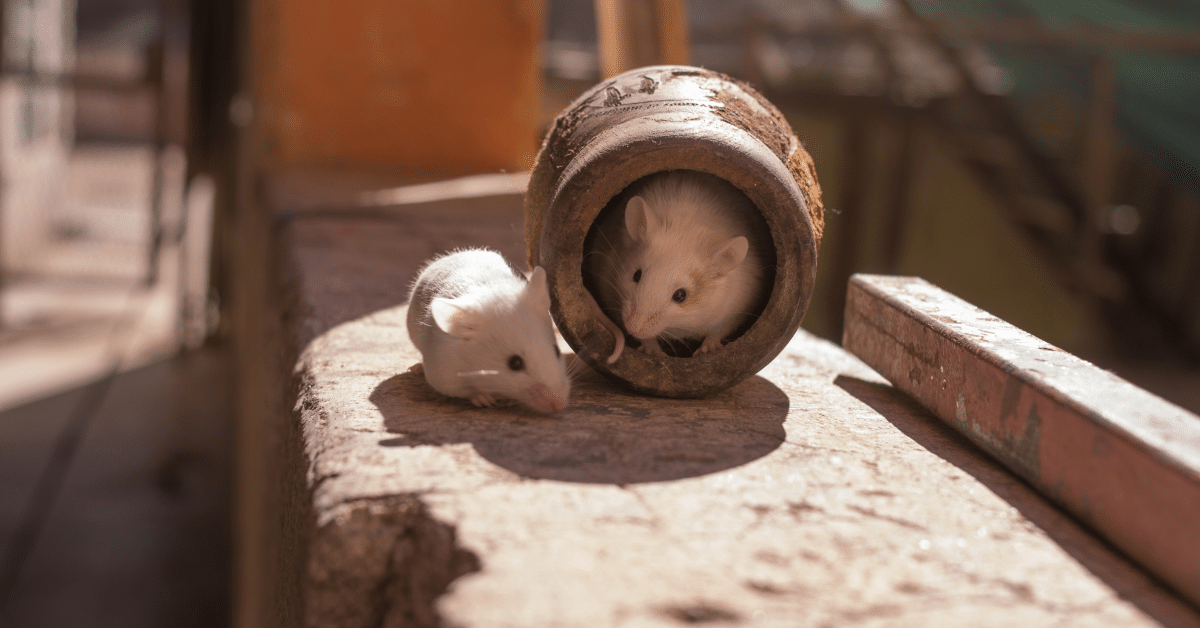
These tiny, agile, and highly intelligent animals have adapted to various environments and lifestyles, leading to many questions about their behaviors. One topic that comes up a lot is hibernation. Do mice hibernate, and what about our pet mice? Do fancy mice hibernate?
For the most part, the answer is no: mice do not hibernate. However, there are some details when it comes to mice and hibernation that you might want to know. This article will explore hibernation in mice and fully answer the question of whether mice hibernate.
Do Mice Hibernate in the Winter?
Do mice hibernate in the winter? It’s a common question among pet owners, especially as the temperatures start to drop and our furry friends seem to be less active. The answer is not as straightforward as you might think.
While some species of wild mice do hibernate during the winter months, house mice and pet mice have different behaviors when it comes to surviving the colder temperatures.
Do wild mice hibernate?
Wild mice, such as the white-footed mouse or deer mouse, often enter a state of hibernation during the winter. They lower their body temperature, slow down their metabolism, and sleep for long periods to conserve energy.
Do house mice hibernate?
House mice, which are the most common species found in homes, do not typically hibernate. Instead, they are more likely to seek shelter in warm areas of your home, such as attics, basements, or behind walls. They may also burrow into insulation or nest in cozy materials to stay warm.
Do pet mice hibernate?
As for pet mice, their behavior can vary. Some pet mice may show signs of hibernation-like behavior, such as eating or sleeping more than normal. However, pet mice do not enter a true state of hibernation and cannot safely enter a state of torpor.
Torpor is a near-hibernation state that some rodents, including mice, can enter when food supplies or temperatures are too low. Torpor rapidly slows their metabolism, and unfortunately, it can be fatal for pet mice.
This is why it’s so important to monitor and control your home’s temperature when you have pet mice.
Is Torpor in Mice the Same as Hibernation?
Torpor, which is observed in some wild mouse species, is a short-term physiological response to extreme conditions, such as cold temperatures or food scarcity.
During torpor, a mouse’s metabolic rate dramatically drops, allowing it to conserve energy. However, torpor periods are relatively brief, often lasting for a few hours at most. Torpor is dangerous for pet mice because they aren’t biologically adapted to safely enter and come out of torpor.
Hibernation, on the other hand, is a longer and more profound state of reduced activity. Animals undergoing hibernation experience a significant drop in body temperature, heart rate, and breathing rate, which can extend for weeks or even months. Unlike torpor, hibernation is a seasonal adaptation that typically happens in the winter when food is scarce.
So while torpor and hibernation share some similar traits, torpor is not the same as hibernation.
Learn more: Torpor in Mice and Hamsters + How to Prevent It
What is Hibernation?
Hibernation is a physiological state that certain animals enter during the colder months or periods of food scarcity.
Hibernation is a form of deep sleep that allows an animal to to conserve energy and survive through unfavorable conditions. During hibernation, an animal’s metabolic rate drastically decreases, and its body temperature drops.
Hibernation is characterized by these key features:
- Reduced metabolic rate: The animal’s metabolism slows down significantly, which means that its body processes, such as digestion and energy consumption, are minimized.
- Low body temperature: The animal’s body temperature drops to near or slightly above the ambient temperature, which helps conserve energy.
- Decreased heart rate and breathing: The heart rate and breathing rate of hibernating animals decrease significantly, further conserving energy.
- Limited activity: Hibernating animals are essentially in a state of torpor, where their activity levels are greatly reduced or almost nonexistent.
- Energy reserves: Animals that hibernate typically build up energy reserves in the form of body fat during periods of plenty (e.g., summer and fall) to sustain themselves throughout the hibernation period.
Hibernation helps animals survive when resources are scarce or conditions are harsh, such as during the winter months. It’s a strategy that allows them to endure without needing to find food while also reducing exposure to predators and other potential dangers.
Learn more: What to Feed Your Pet Mice: A Comprehensive Guide
Get the Free Mouse Owner's Toolkit
Printable care tools made for mouse owners. Chore chart, intros checklist, weight tracker, and more delivered to your inbox.
Why Don’t Mice Hibernate?
Mice don’t hibernate for several reasons related to their biology and the way they survive:
Body size and metabolic rate
When you think of animals that typically hibernate, you likely think of a bear. Bears are large and capable of maintaining a very low metabolic rate to conserve energy. Mice, on the other hand, are small and lean and have a very high metabolic rate.
That means they would have a much harder time slowing down their metabolic rate enough to enter hibernation than a bear would have.
Wild mice are capable of entering torpor, which is a short-term reduction in their metabolic rate. However, they can’t maintain this state for a longer period of time.
Food availability
Hibernation is a survival strategy that allows animals to conserve energy during times when food is scarce, such as winter. Mice are opportunistic feeders and have a relatively diverse diet, which makes them able to find food throughout the year.
Their ability to locate and feed on various types of food helps them avoid the need to hibernate to survive food shortages.
Predator pressure
Mice are prey animals and have evolved various strategies to avoid predators. Hibernating animals are vulnerable to predation, as their reduced physiological activity makes them less able to respond to threats.
Mice’s survival strategy involves being active and alert to escape predators, and hibernation would compromise this strategy.
Reproductive strategies
Many hibernating animals tend to have specific reproductive patterns that are synchronized with the seasons. For instance, they might give birth during the spring when food becomes more abundant.
Mice, on the other hand, have relatively short gestation periods and can reproduce throughout the year. This flexibility in their reproductive cycle makes hibernation less necessary.
Niche adaptation
Different animals have evolved to occupy specific ecological niches. Mice, due to their smaller size and active nature, have adapted to niches where hibernation might not be as advantageous.
They have found ways to survive and thrive without the need for long periods of dormancy.
Is Your Pet Mouse Preparing to Hibernate?
As the winter season approaches, it’s natural to wonder if your pet mice are preparing to hibernate when you see them eating or sleeping more than normal. While pet mice don’t hibernate, they may exhibit behaviors that mimic hibernation.
Remember, if you’re unsure or concerned about your pet mouse’s behavior, it’s always best to consult with a veterinarian who specializes in small animals. They can provide you with the necessary guidance and ensure the well-being of your furry friend.
Increased sleep
If you notice that your mouse is sleeping more than usual or seems less active, it could be a sign that they are too cold. Keep a close eye on the temperature in their area, and use a space heater or reptile pad to keep them warm.
Reduced food intake
Second, monitor your mice’s food intake. Mice whose metabolisms are slowing down will reduce their food consumption. If you notice a significant decrease in appetite, it could be another sign that they are too cold.
Increased food intake
On the other hand, some mouse owners notice their mice eating more food during fall and early winter and wonder if they’re preparing to hibernate. This may be a remnant of an old hibernation instinct, but it shouldn’t be cause for concern unless you notice your mouse entering torpor or gaining significant weight.
What to Do if You Think Your Mouse is Hibernating
If you suspect that your pet mouse is hibernating, it’s important to take the necessary steps to ensure their well-being. Here’s what you can do if you think your mouse is hibernating:
Observe their behavior
Monitor your mouse closely to see if they are exhibiting hibernation-like behavior. Look for signs such as prolonged periods of sleep, decreased activity, and reduced food consumption. Remember, pet mice may show these behaviors due to the colder temperatures, but it’s essential to make sure they’re not going into a state of torpor.
Adjust their environment
Create a warm and comfortable space for your mouse. Ensure that their enclosure is located in a warm area of your home away from drafts or cold windows. Provide additional bedding material for insulation, and consider placing a heat pad or a cozy hiding spot to help them maintain a comfortable body temperature.
Offer enticing food
If your mouse’s metabolism is decreasing, they may have reduced food intake. Try offering a variety of tempting foods to stimulate their appetite. You can also consult with a veterinarian to determine the appropriate diet adjustments for your mouse during the winter months, although no adjustment is usually necessary.
Seek veterinary advice
If you’re unsure about your mouse’s behavior or if you notice any concerning symptoms, it’s best to consult with a veterinarian who specializes in small animals. They can provide guidance and ensure that your mouse receives the necessary care.
Learn more: Pet Mice vs. Feeder Mice: What’s the Difference?
What is the Best Environment for Pet Mice?
The best environment for pet mice is one where their temperature is stable and they have constant access to fresh water and food. Mice should have plenty of bedding, as well as lots of clutter and hiding places.
Clutter items help them feel safe and protected from predators, and deep bedding allows them to hunker down and get rest. Deep bedding also helps pet mice maintain a stable temperature in their burrow, which is important for maintaining their state of health.
The ideal temperature range for pet mice is between 65 and 75 degrees Fahrenheit.
Pet Mice Don’t Hibernate
In conclusion, pet mice or fancy mice do not hibernate. What’s more, fancy mice’s wild counterpart, the house mouse, doesn’t technically hibernate either. While both pet mice and wild mice can enter a state of torpor, pet mice aren’t biologically built to enter and exit a state of torpor safely. This is why it’s so important to keep your pet well-fed and at a stable temperature at all times.
Sources:
- “Not just sleep: all about hibernation.” Australian Academy of Science. https://www.science.org.au/curious/hibernation
- “Jumping mouse.” Britannica. https://www.britannica.com/animal/jumping-mouse



0 Comments