
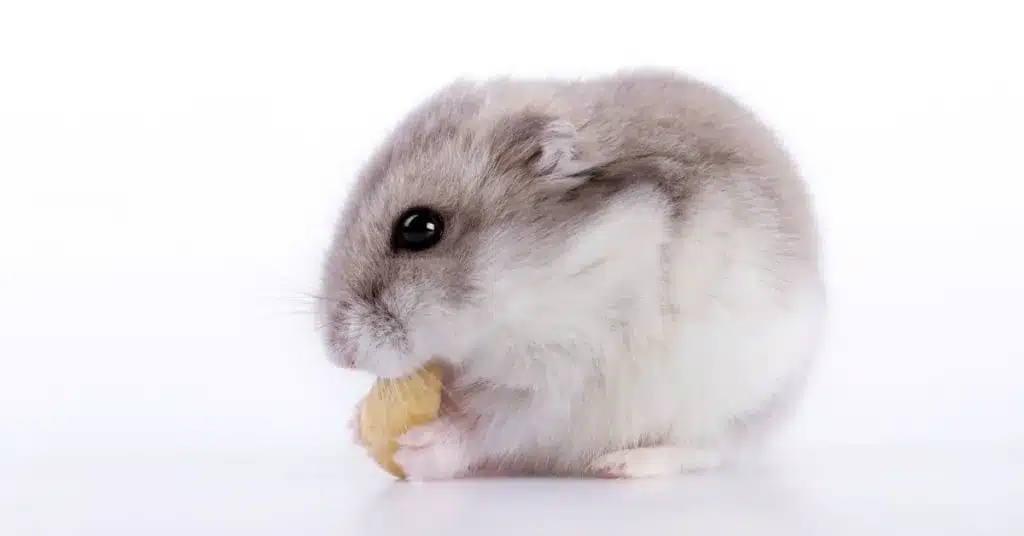
Diabetes is a disease that affects how the body turns nutrition into energy. You likely know someone who struggles with either type 1 or type 2 diabetes and know the effects it can have.
Most people are well aware that diabetes causes serious, long-term health problems in humans, but did you know that our pets are vulnerable to diabetes, too?
Dogs and cats can suffer from diabetes and typically require a special diet, regular exercise, and even insulin shots. Less well-known is the fact that hamsters, gerbils, rats, and other small mammals can suffer from diabetes.
Below, we’ll let you know what diabetes looks like in small animals, as well as address what kind of pets can get diabetes.
If you think your pet might have diabetes, please be sure to schedule an appointment with a small pet veterinarian.
Can Small Pets Get Diabetes?
Unfortunately, yes: small pets can develop diabetes. Some small pets can develop type 1 diabetes shortly after birth, while others can only develop type 2 diabetes later on in life (we’ll go over these two types later on).
Some small pets are more prone to diabetes than others. For each type of small animal, there may also be genetic predispositions to diabetes within certain breeds. Some hamster breeds are more prone to diabetes than others, for example.
What is Diabetes in Small Pets?
Diabetes is a disease that affects many members of the animal kingdom.
There are many complicated processes involved with diabetes, but in very simple terms, the disease occurs when the blood sugar is too high and insulin levels aren’t sufficient to keep it under control.
There are two primary types of diabetes that can affect animals:
Type 1 diabetes in small pets
Type 1 diabetes in pets and humans is believed to be caused by an autoimmune response that attacks the pancreas. It develops early in life and does not have to do with diet or activity levels.
With type 1 diabetes, the pancreas is unable to produce enough insulin to regulate the body’s blood sugar levels.
Type 1 diabetes is rarely seen in animals, although it can occur in rare instances as an inherited trait or even as the result of a viral infection.
Type 2 diabetes in small pets
Type 2 diabetes in pets and in humans develops later in life and is the result of factors like diet and activity levels.
With type 2 diabetes, the body still produces insulin, but it has become insulin-resistant.
That means the body can’t use the insulin it creates effectively enough to control the blood sugar. Type 2 diabetes is much more common in animals than type 1.
Both types of diabetes result in blood sugar levels that are too high, which can lead to various health complications.
In small pets, these complications can include damage to various organs, including the eyes, skin, kidneys, and heart, as well as seizures and death.
Diabetes in small animals can be especially difficult to treat and control. Because of their tiny size, treatments aren’t always as easy as they would be in a human or larger animal.
It’s extremely important to take your pet to a vet if they’re showing signs of diabetes so that you can start to manage and reverse its effects.
Get the Free Small Pet Toolkit
Printable care tools for hamster, gerbil, and mouse owners delivered to your inbox.
What Small Pets Are Prone to Diabetes?

Many of our beloved small pets can develop diabetes and the negative health effects it brings.
Specifically, the small pets that can develop diabetes include the following (not a complete list):
- Hamsters
- Gerbils
- Guinea pigs
- Ferrets
- Rats
- Mice
- Chinchillas
- Rabbits
- Hedgehogs
Diabetes in hamsters
Bottom line: Diabetes is very common in dwarf hamster breeds.
No hamster is born diabetic, but developing diabetes later in life is unfortunately quite common in hammies. It’s especially common in dwarf hamster breeds, including Campbell’s, Russian, and Chinese hamsters.
Diabetes is less common in Syrian hamsters, which are more vulnerable to wet-tail.
Hamsters usually develop diabetes as a result of their diet or lack of adequate exercise. However, it’s important to know that diabetes in hamsters is sometimes unavoidable, even with the perfect diet and exercise regimen. Being prone to diabetes is just a part of a dwarf hamster’s genetics.
Diabetes in gerbils
Bottom line: Diabetes isn’t as common in gerbils as in hamsters, but it can still occur.
According to a study published in PLOS One, gerbils can develop diabetes in the same ways that humans can.
That means they can become diabetic due to obesity, but they can also inherit traits that make them much more prone to developing insulin resistance. Their bodies still produce insulin, but they’re not able to use it effectively.
Gerbils are much more likely to develop diabetes during their lifetime if they are overweight or obese. For that reason, diet and exercise are just as important for gerbils as for hamsters.
Diabetes in guinea pigs
Bottom line: Guinea pigs can develop both type 1 and type 2 diabetes, but remission is common.
Diabetes in guinea pigs is unique in several ways. For one, they can develop type 1 diabetes, which means their pancreas stops producing or doesn’t produce enough insulin.
Type 1 diabetes in guinea pigs is usually spotted and diagnosed when the guinea pig is a juvenile, under a year old. They can also develop type 2 diabetes due to obesity and genetic predisposition.
Another way that guinea pig diabetes is unique is that diabetes between guinea pigs may be party contagious in nature. It’s thought that there’s a virus, which hasn’t been identified yet, that causes this reaction.
Additionally, guinea pigs often go into remission from diabetes and go on to live long and healthy lives.
Still, the most common cause of diabetes in guinea pigs is a sugary or carbohydrate-rich diet and inadequate exercise.
Diabetes in ferrets
Bottom line: Spontaneous diabetes is rare in ferrets. However, ferrets can develop diabetes as a result of treating a pancreatic tumor (insulinoma).
Although diabetes as a primary condition is rare in ferrets, many ferrets still develop diabetes during their lifetime. That’s because ferrets are prone to developing pancreatic tumors, or insulinoma, in middle age.
As a treatment for insulinoma, many ferrets undergo surgery to remove the tumor and part or all of the pancreas. This results in the pancreas being unable to produce insulin, which makes the ferret diabetic.
Diabetes due to obesity and genetic predisposition is very rare for ferrets, but it has still been recorded on several occasions, so it’s not impossible.
Diabetes in rats
Bottom line: Rats can develop both type 1 and type 2 diabetes, but neither is especially common.
Like in humans and guinea pigs, rats have been known to develop both types of diabetes: type 1 and type 2. Rats (and mice) with type 1 diabetes are known as “non-obese diabetic,” or NOD, rats and mice. Signs of type 1 diabetes in rats tends to appear around 12 weeks of age.
Type 2 diabetes is more common in rats than type 1, and it can be caused by genetic traits, as well as obesity.
If a rat is genetically prone to diabetes and is also obese, they’re likely to become diabetic. However, an obese rat can also become diabetic without a genetic predisposition.
Diabetes in mice
Bottom line: Fancy mice, like rats, can develop both types of diabetes, but it isn’t common.
Like rats, mice can develop either type 1 or type 2 diabetes. The good news is that neither type is very common in mice, especially with a good diet and exercise.
Non-obese diabetic (NOD) mice are actually so similar to humans with type 1 diabetes that they’re used to model and study the disease.
Type 2 diabetes is more common in mice than type 1, and it is caused by obesity and genetic predisposition. An obese mouse is more likely to develop diabetes, but a mouse that is predisposed to get diabetes can develop the disease without being obese.
At the same time, an obese mouse that isn’t genetically predisposed can still get diabetes.
Diabetes in chinchillas
Bottom line: Only type 2 diabetes has been observed in chinchillas, and it’s rare.
The sole cause of chinchilla diabetes is obesity. For that reason, it’s especially important to monitor your chin’s weight and provide a healthy diet. Chinchillas need a diet that’s rich in fiber and very low in fruits, sweet vegetables, and store-bought treats.
Additionally, regular exercise outside their enclosure can help your chinchilla maintain a healthy weight and good health overall.
Diabetes in rabbits
Bottom line: Diabetes is extremely rare in rabbits, but it’s still important to watch out for.
Rabbits have been prone to developing diabetes, but it’s so rare that most vets will never see a rabbit with diabetes.
As with other small pets, diabetes is much more likely to occur in rabbits that are clinically obese. Watching your rabbit’s diet to ensure they’re not overeating or taking in too much sugar is essential, not only for preventing diabetes but for ensuring good health and a long life overall.
Diabetes in hedgehogs
Bottom line: Hedgehog diabetes is thought to be rare, but most hedgehogs with diabetes go undiagnosed.
Because hedgehogs aren’t an extremely common pet, it’s hard to nail down exactly how common diabetes is in the species.
However, many hedgehog owners have reported that their pets have diabetes, diagnosed by a vet. So, it’s important to watch out for diabetes in your hedgehog just as you would with any other small pet.
Additionally, taking your hedgehog to an exotic pet veterinarian can help vets better establish how common the disease is in hedgehogs and better study the condition.
Diabetes in Other Small Pets
Bottom line: Most (but not all) mammals and many other animals can develop diabetes.
The list above is by no means a complete list, and almost any small pet can develop diabetes.
Still, diabetes in most small animals isn’t as common as it is in humans, dogs, and cats.
No matter what type of pet you have, if you suspect diabetes, it’s important to test your pet and visit a vet as soon as possible.
Symptoms of Diabetes in Small Pets
Small pets all display the same or similar symptoms of diabetes, whether they’re obese or non-obese.
The signs and symptoms of diabetes, whether it’s type 1 or type 2, are similar across all small animals.
It’s important to note that your pet doesn’t have to display all of these symptoms; even if they’re showing just one, it’s a good idea to contact a vet.
Signs of diabetes in small animals:
- Excessive thirst
- Excessive urination
- Weight loss
- Excessive appetite or poor appetite
- Lethargy
- Rapid formation of cataracts
- Chronic wet bottom
- Frequent urinary tract infections (UTIs)
- Sugary smelling urine
What to Do if You Suspect Diabetes in Your Small Pet
Bottom line: You can test at home for diabetes, but it’s also important to seek expert advice.
If you notice any of the above signs, you can test your pet for diabetes at home using regular test strips (like Keto-Diastix strips). However, this isn’t a surefire way to determine if your pet has diabetes.
One reason this isn’t foolproof is that an animal’s glucose levels can rise when they’re stressed. So a high glucose reading doesn’t always mean diabetes.
Additionally, you shouldn’t attempt to treat your pet’s diabetes without consulting a vet. They can perform more extensive tests if necessary, give you detailed guidance on your pet’s diet and exercise, and prescribe insulin injections if necessary.
Preventing Small Pet Diabetes
Bottom line: Diabetes in small pets isn’t always preventable, but good diet and exercise are essential.
Even though some small pets will develop diabetes even with the right diet and exercise, providing these to your pet can only help.
Make sure that you’re feeding your pet the right mix of nutrients, especially when it comes to carbohydrates and sugars. When in doubt, it’s best to go easy on sweet treats like fruit and, especially, storebought treats like yogurt drops.
Ultimately, your pet developing diabetes typically isn’t your fault, and it’s not the end of the world if it’s caught and treated early on.
Your vet can help you restore your pet’s health and make sure they’re living a healthy lifestyle from now on.


0 Comments